In today’s competitive digital landscape, every scroll matters. Brands no longer compete only with their competitors—they compete with thousands of pieces of content appearing in users’ feeds every day. One of the most powerful yet often overlooked factors influencing whether users stop scrolling is color.
The Psychology of Color in Social Media Marketing has become a critical part of content strategy in 2026. Colors influence how people feel, think, and respond to visual content. They shape first impressions, increase brand recognition, and even affect purchasing decisions.
While design trends continue to evolve, one thing remains constant: the right color choices can significantly improve engagement and strengthen brand identity. Let’s explore how color psychology is shaping successful social media marketing in 2026.
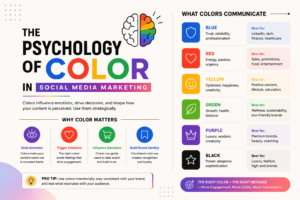
Why Color Psychology Matters
Research has consistently shown that people form opinions about visual content within seconds. During that short moment, color becomes one of the strongest elements influencing perception.
Whether someone sees an Instagram carousel, a Facebook advertisement, or a
LinkedIn infographic, colors immediately communicate emotions before any text is read.
Effective Color Psychology in Marketing helps brands:
- Build trust
- Improve recognition
- Increase content engagement
- Strengthen emotional connection
- Encourage conversions
In crowded social media feeds, colors often determine whether users continue scrolling or pause to interact with your content.
What’s Changed in 2026?
Social media platforms have evolved significantly over the last few years. User preferences now lean toward cleaner interfaces, authentic visuals, and emotionally relatable content.
As a result, brands are shifting away from overly saturated graphics and moving toward balanced color palettes that feel modern and trustworthy.
Some noticeable trends include:
Softer Brand Colors
Muted blues, earthy greens, warm neutrals, and pastel shades are becoming increasingly popular because they create a calming experience without overwhelming viewers.
Bold Accent Colors
Instead of using bright colors throughout an entire design, marketers now use vibrant accents to highlight:
- Call-to-action buttons
- Headlines
- Offers
- Important statistics
This creates better visual hierarchy and improves readability.
Consistent Branding
Consistency has become more valuable than constantly changing colors. Brands that maintain recognizable palettes across all platforms are easier to remember and build stronger audience trust.
Understanding Popular Colors in Social Media Marketing
Each color communicates different emotions. Choosing the right one depends on your industry, audience, and brand personality.
Blue: Trust and Professionalism
Blue continues to dominate industries like technology, finance, healthcare, and consulting.
It communicates:
- Trust
- Stability
- Reliability
- Intelligence
Brands looking to establish authority often make blue their primary brand color.
Green: Growth and Sustainability
Green has expanded beyond environmental businesses.
Today it represents:
- Wellness
- Growth
- Balance
- Financial success
Many educational platforms, productivity tools, and wellness brands are using different shades of green to appear fresh and approachable.
Red: Energy and Urgency
Red naturally attracts attention.
It works especially well for:
- Flash sales
- Limited-time offers
- Product launches
- Promotional campaigns
However, excessive use can overwhelm users, making moderation important.
Yellow: Optimism and Creativity
Yellow creates a feeling of happiness and positivity.
Brands often use it to communicate:
- Innovation
- Energy
- Creativity
- Friendly experiences
Small highlights of yellow can effectively draw attention without dominating the overall design.
Black and White: Premium Simplicity
Minimalistic branding continues to grow in popularity.
Luxury brands, fashion companies, and creative agencies frequently rely on black-and-white palettes because they communicate:
- Sophistication
- Confidence
- Elegance
- Modern design
Simple designs also perform well across multiple social media platforms.
Choosing Colors Based on Your Audience
Successful Brand Color Strategy isn’t about choosing favorite colors—it involves understanding your audience.
Different demographics often respond differently to color combinations.
For example:
Younger Audiences
Gen Z generally prefers:
- Bold gradients
- Vibrant colors
- High contrast
- Experimental designs
These colors create excitement and reflect current digital culture.
Professionals
Business audiences respond better to:
- Navy blue
- White
- Grey
- Deep green
These colors communicate credibility and expertise.
Lifestyle Brands
Lifestyle creators frequently use:
- Warm beige
- Soft pink
- Earth tones
- Cream colors
These palettes create an authentic and relatable appearance.
Knowing your audience helps ensure your visuals align with their expectations and preferences.
How Colors Improve Social Media Engagement
Visual consistency directly affects Social Media Engagement.
Here’s how strategic color choices improve performance:
Better Brand Recognition
When followers repeatedly see the same colors in your content, they begin recognizing your posts before reading your username.
This strengthens brand recall over time.
Higher Click-Through Rates
CTA buttons with contrasting colors naturally attract attention.
Whether promoting a webinar, product, or downloadable guide, color contrast improves visibility.
Improved Readability
Good color combinations increase readability.
Examples include:
- Dark text on light backgrounds
- White text on deep blue
- Black text on soft beige
Poor contrast causes users to leave content quickly.
Stronger Emotional Connection
People connect emotionally with brands that consistently communicate the same feeling through visuals.
A calming wellness brand should avoid aggressive color combinations, while a sports brand benefits from energetic palettes.
Common Color Mistakes Brands Still Make
Despite growing awareness of color psychology, many businesses continue making avoidable mistakes.
Using Too Many Colors
Adding multiple bright colors often creates visual clutter.
Instead, limit your palette to three or four primary colors.
Ignoring Accessibility
Low-contrast designs make content difficult to read.
Accessibility should always be considered when choosing text and background colors.
Following Trends Without Strategy
Not every trending color fits every business.
Choose colors that represent your brand values rather than temporary design trends.
Inconsistent Branding
Frequently changing brand colors confuses audiences and weakens recognition.
Consistency remains one of the strongest branding principles.
Best Practices for 2026
To maximize results, marketers should follow these proven strategies:
- Create a consistent color palette across every social media platform.
- Use one primary brand color with two or three supporting colors.
- Apply contrasting colors for call-to-action elements.
- Test different color combinations to understand audience preferences.
- Maintain accessibility by ensuring sufficient color contrast.
- Adapt your palette to your industry while preserving your unique identity.
Small adjustments in color selection can produce noticeable improvements in audience perception and engagement.
The Future of Color Psychology
Artificial intelligence is changing how marketers create content, but color psychology remains rooted in human emotion.
AI-powered design tools can now recommend palettes based on audience behavior, industry trends, and brand identity. However, the most successful brands still combine data with creativity.
As personalization becomes more advanced, brands may even adapt color schemes for different audience segments while maintaining a recognizable visual identity.
The principles of color psychology will continue to evolve, but understanding human emotions will remain the foundation of effective visual communication.
Conclusion
The Psychology of Color in Social Media Marketing is far more than an aesthetic choice—it is a strategic tool that influences perception, trust, engagement, and conversions. In 2026, brands that thoughtfully apply color psychology create stronger identities and build deeper connections with their audiences.
Whether you’re designing Instagram posts, LinkedIn carousels, Facebook ads, or YouTube thumbnails, every color should support your message and reflect your brand’s personality. A clear Brand Color Strategy, combined with consistent Social Media Branding, helps businesses stand out in crowded feeds while improving Social Media Engagement.
As digital competition grows, mastering color psychology will remain an essential part of every successful marketing strategy.